
Romanticising rest
How I learned to rest and what it gave me in return

Hello you
When did exhaustion become normalised? Perhaps it’s always been this way, for some at least. This is how it used to feel for me. I’d even find it was a good way to connect with others, because chances were they’d be feeling exhausted too. We could share the experience together, validate it and feel less alone. But when I opted out of exhaustion being a day to day state, things changed.
So many of us are moving through life alongside consistent fatigue. We’re over stimulated, over worked and desperately trying to squeeze more time out of our day to fit in all we’ve got to do. We do all of this disconnected from our bodies. Quietly holding things together yes, but our body doesn’t lie - and when it says stop we’ve been trained to ignore it. Much more important to us is productivity, working harder, earning more, doing more and whilst we’re aware of the self-sacrifice we’re making, still we carry on. As the world sped up, so did we, but our evolution takes time and we’re simply not designed to live at light speed.
Rest is something we long for, fantasise about but often postpone until we’re satisfied we’ve earned it or until things quieten down, lying to ourselves because we know full well they never will. Maybe for a day, an hour or an evening, but it’s not enough. Before we know it the rest we need is so in debt it feels totally out of reach, so then what’s the point? Again, we keep pushing through.
When my mental health was it its worst I lost the ability to push through. Call it burnout, call it ptsd, my body simply said no more. The hill I once used to be able to climb now felt like a mountain I couldn’t comprehend attempting. Brushing my teeth would feel like a challenge some days let alone the schedule I consider slow and sustainable, yet normal now. If I’d had a regular office job at this point, I’m sure I would’ve been sacked.
I first began practicing conscious rest thanks to my logical side, when I learned about productive rest. This was when rest first felt within reach. If it was productive, I told myself, then it was worth it. The self-improvement books I was devouring assured me this was the case and my output would benefit.
My body was completely discounted in the matter (and the books), robbed of a vote - despite how much I needed it, I just didn’t appreciate this. From here it’s been a slow learning of integrate the deserving of rest and honouring my needs from a place of self-love. Renouncing the guilt I’d feel, the voices that pushed back and the feeling like an outsider when people asked if I was busy and unless I chose to be in authentic (which sometimes felt easier) I’d have to say no, I’ve decided I don’t like busy anymore, to the look of great confusion on the questioners face. This was something I’d take personally until I realised I was merely a mirror, challenging their own perception of rest. A role I felt ready to fulfil. Because someone has to go first.
As my relationship with rest depended I began to understand that rest isn’t quitting, giving up or being lazy. The re-education taught me that rest is integration, listening and allowing life to catch up with you. It’s human. We’re designed for it. Rest can also be beautiful, intentional and even romantic - not something to rush through or apologise for. To not want someone to take the rest they need is unkind and that’s true of others as well as ourselves. Love grants rest, restoration and inner peace. Love says it’s ok to pause mid chapter, to lie down without earning it, to change plans and to let our body decide the pace.
My nervous system was so triggered by the unfamiliar it took time for me to realise that nothing bad happens when you rest, you’re not falling behind. Rest had always felt like a risk, vulnerable and out of reach. Even though I was suffering without it, the familiarity of the suffering ensured the pattern repeated. Endless excuses would appear to maintain my identity as an exhausted person.
I wish I’d known rest doesn’t have to be abstract or unattainable. It can unfold in the tiny every day. You’re resting when you’re sipping a cup of tea slowly, leaving early, turning the lights down low, resting in transit or choosing softness over optimisation. We can bring more rest into our lives by framing it as a relationship we tend, not a productivity tool. This is how I made the shift. When I used to rest for productivity, rest felt boring, I was irritable and worst of all - still guilty. It took years to retrain my brain.
Slowly but surely I learnt through practice that rest doesn’t steal my life. I’m not wasting anything, I’m actually returning because rest brings me into the present and most importantly, back to my body. And when my body is rested, I’m the best version of me so I can give the most to others. Resting doesn’t mean our dreams disappear, it means our dreams are being held gently until they’re ready. And when we have the energy required, you’ll be surprised how effortlessly easy they can be to obtain.
My sleep deepened because I protected it. Screen time limits, a simple but effective routine to unwind and repetitive bed time did the trick. And when I started to beautify these aspects of my life, rest took on a new level of restoration. Now I’m no longer feeling guilt about taking rest, I even quite enjoy saying it out loud to those I know it will challenge sometimes. It’s an act of owning my needs and a quiet hope that it might inspire others to re-evaluate their own relationship with rest and ideally benefit them, the way I hope this letter helps you. Sometimes we need to know someone else is doing something so we feel able to do it too.
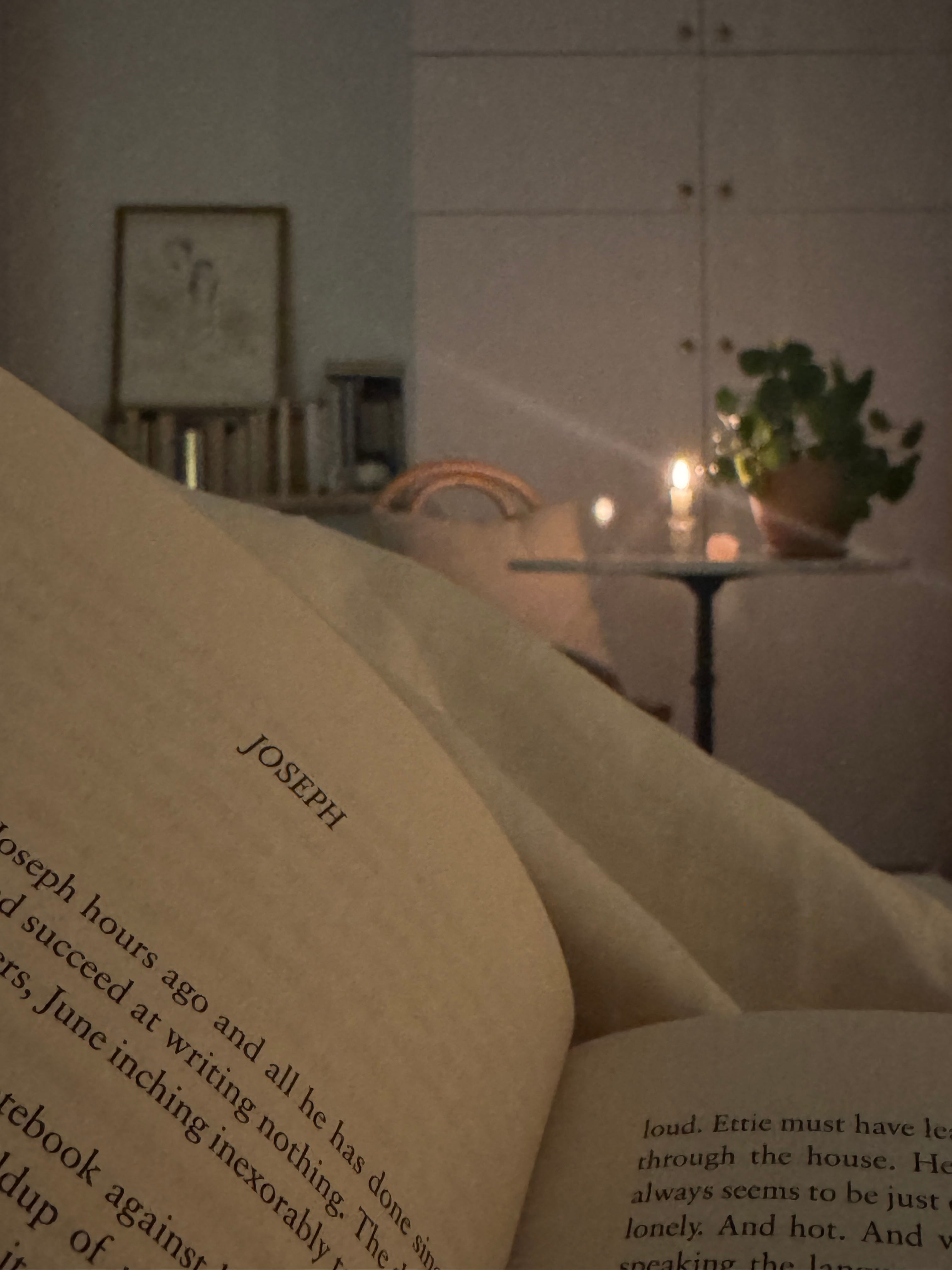
The ability to rest has given me clarity, confidence and a stronger sense of self. I feel more peaceful, trusting of my body and loving of it. There are no limits to the rest I’ll partake in now. I own clothes specifically for resting in, light the candles to add to the mood and speak the line I’d love to but I need to rest without a second thought. Truly, it’s heaven and the benefits just keep on getting better. But as I said it’s taken a long time and a lot of practice to get here. The in between can be part of the romanticising too.
I want to reassure you that you don’t have to decide anything today. Rest can begin with a single breath. You’re allowed to move at the pace your nervous system trusts. Rest may disrupt it, confuse it and could even feel unsafe for a while. That’s ok. As are all the thoughts that arise when we rest, like I don’t deserve this, I’m missing out or I don’t have time. I hope this post leaves you a little lighter, feeling less alone and hopeful that you can change your relationship with rest (and consequently yourself as well as others) one step at a time. Let your own experience unfold naturally, trust what your body is asking for and treat it like an experiment, figuring out your rhythm one realisation at a time.
If all you do is rest today, that’s enough.
What’s your relationship like with rest? I’d love to hear. And if you have any tips to help when the guilt creeps in, feel free to share with us. The more we can share and normalise the higher we rise together.
Lots of love
Jessica xxx
A beautiful post Jessica. You ask for any tips on riding the guilt and I think the most powerful tip is gratitude and compassion.
Gratitude that we now understand that rest is a human need and you don’t need to deserve it. We are human beings- not human doings.
Being is enough.
Compassion as we’re not to blame for the guilt and anxiety. So we need to have compassion for it. Modern living fools us into believing that we need to push through and it’s grounded in capitalism and patriarchy.
Luckily many of us are waking up and aware of this as part of our current mental health crisis.
Resting is a form of rebellion as we’re taking back what’s ours.
I have always loved going to bed. I have never felt the need to stay up late because it is the weekend. If home I am happily in bed.